
IARU Initiatives > Institutional Collaborations > Real Estate Working Group
Real Estate Working Group
Enables collaboration on campus planning, real estate strategy, and sustainable development across member institutions.
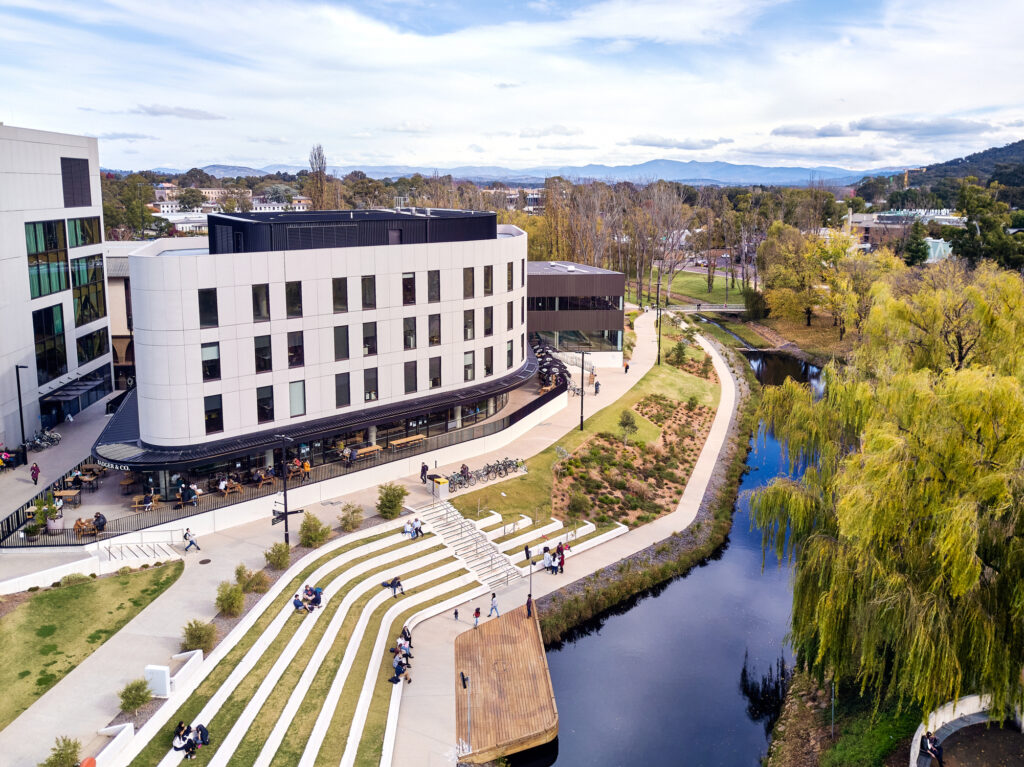
Background and Purpose
The IARU Real Estate Working Group was initiated in 2017 and creates a forum for collaboration and information-sharing about interests and challenges in real estate management for research universities, contributing to a platform for learning through sharing institutions’ experiences and practice examples.
Members will actively participate to the extent feasible to share knowledge about topics in higher education real estate development and management.
Relevant topics include physical and land use planning, capital investment, facility management, space utilisation, fiscal constraints, and other associated administrative policies and practices that may emerge as the group’s work progresses.
The Real Estate Working Group (REWG), as one of IARU’s Institutional Working Groups, will research and report on aspects that inform best practice and provide thought leadership on how real estate can support teaching and learning, whilst planning for the future and in line with sustainability principles of member universities.
The REWG will seek to become a global leader in the university landscape and a reference point for other institutions by:
<heading>
???
Contact
Executive Director: Properties & Services /UCT
Contact
Role / University
Contact
Role / University
Current delegates include:
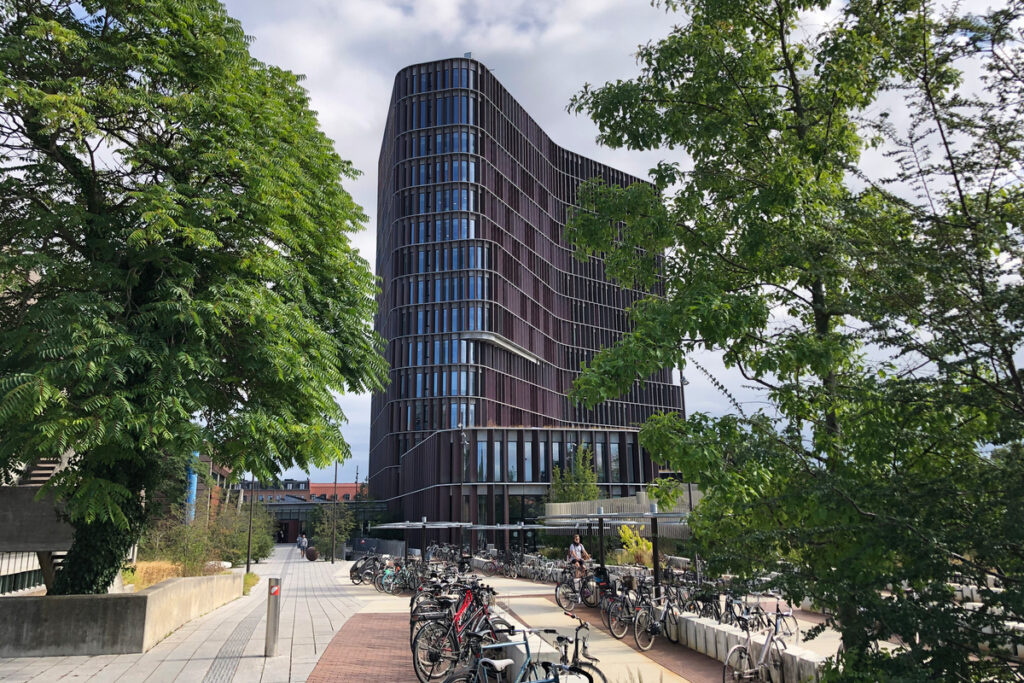
The aim is to brainstorm within the IARU REWG on which institutional initiatives best utilize space, with a focus on agile use, multi-use, and hybrid/shared workspace models
Gershon Manana (UCT) Lead
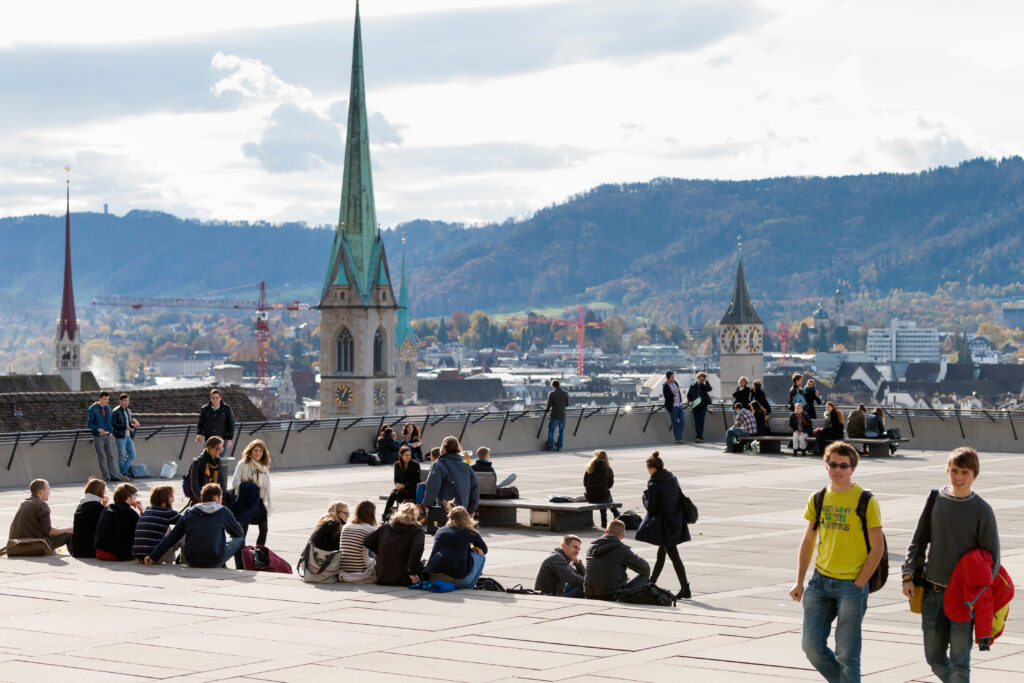
The aim is to explore how work and learning environments will evolve, considering how space is assigned and how technology and space will be used in the medium to long term.
Heidi Johansen (Copenhagen) Lead
Reto Grimm (ETH)
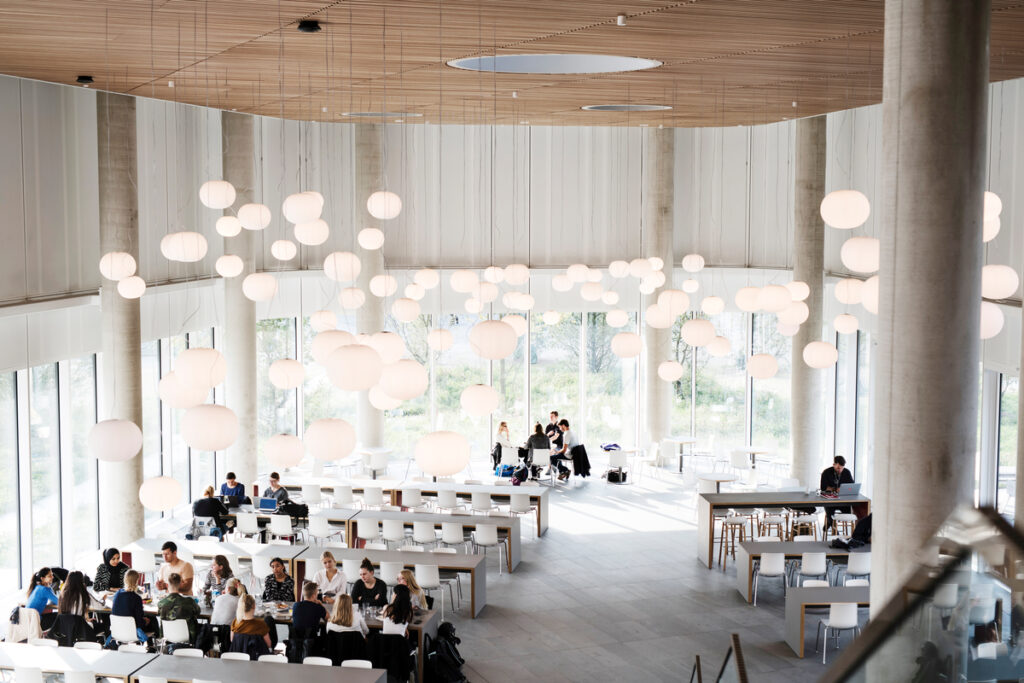
The aim is to use sustainability and technology to improve the user experience and to leverage technology for more efficient management of physical space. An example would be to build on existing initiatives, such as smart lighting, which reduces costs and energy use.
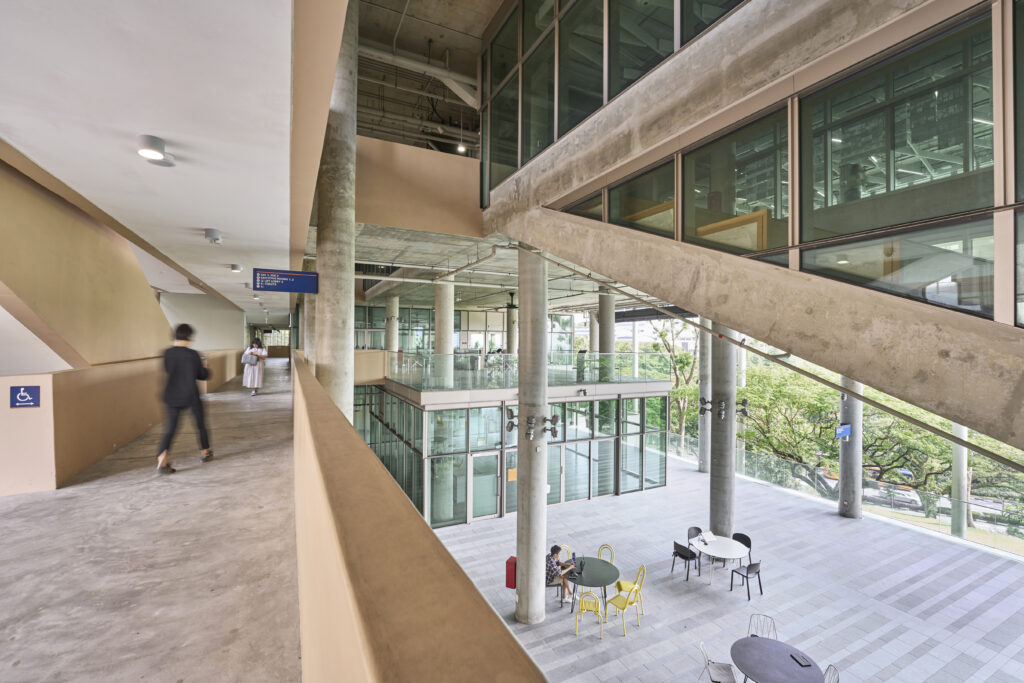
A secondment opportunity has been established to facilitate the exchange of one staff member between participating universities for a two-week period. Each engagement will be guided by a predefined agenda and set of desired outcomes. Upon return, the staff member will deliver a presentation to their home university, detailing key insights, experiences, and lessons learned during the exchange.
The National University of Singapore confirmed it is willing to host visiting staff from December 2025, provided sending universities cover travel and subsistence. NUS will fund accommodation, and further support from IARU may be sought to enrich the exchange experience.
IARU and its various initiatives and groups have several meetings and events throughout the year.


Information about the project goes here. Information to be written here. Info goes here. Information about the project goes here. Information to be written here. Info goes here. Information about the project goes here. Information to be written here. Info goes here.
email / link
Information about the project goes here. Information to be written here. Info goes here. Information about the project goes here. Information to be written here. Info goes here. Information about the project goes here. Information to be written here. Info goes here.
email / link