

This year’s Role of AI in Research Symposium, hosted by the University of Cape Town (UCT), brought together experts, researchers and academics to explore the transformative impact of Artificial Intelligence (AI) on contemporary research. Held on November 8, the symposium provided a platform for cross-faculty and multidisciplinary discussions on the current state of AI, its applications across diverse fields and its potential to shape the future of research and society.
The event opened with a reflection on why AI is becoming increasingly central to modern academia. It examined how the integration of AI tools, including machine learning and data analytics, is reshaping research paradigms and enabling more efficient and innovative approaches to problem-solving. However, this progress also brings challenges, such as biases in algorithms, data privacy concerns, and the need for ethical governance frameworks.
The morning session focused on the current landscape of AI research and highlighted its application in various disciplines. Presentations demonstrated how the tool is driving advancements in fields like robotics, physics, astronomy, bioinformatics and healthcare. Researchers explored how AI tools are being used to analyse vast datasets, model complex systems and accelerate discoveries. Despite these advancements, the session raised critical issues, such as equitable access to AI technologies and the challenges of deploying them in resource-constrained environments.
In the afternoon, the discussion shifted to the future of AI and its societal implications. This session explored how AI might redefine the research landscape, with particular focus on its impact on pressing global challenges like climate change, healthcare and law. Humanities scholars and social scientists also highlighted how AI is influencing cultural studies and ethical considerations, emphasising the need for thoughtful integration of these technologies to avoid exacerbating inequality or marginalisation.
The ethical dimensions of AI featured prominently throughout the symposium. Speakers stressed the importance of transparency, accountability and inclusivity in AI development and deployment. The potential for AI to reinforce existing biases or create new inequities underscored the need for responsible innovation that prioritises social justice.
The event concluded with a collaborative discussion on the establishment of an AI institute at UCT. Participants emphasised the need for interdisciplinary approaches, greater AI literacy and initiatives that address both local and global challenges. The symposium ultimately highlighted AI’s transformative potential while calling for its ethical and equitable application to benefit humanity at large.
Author Archives: EL
Real Estate Working Group hosts another successful general meeting
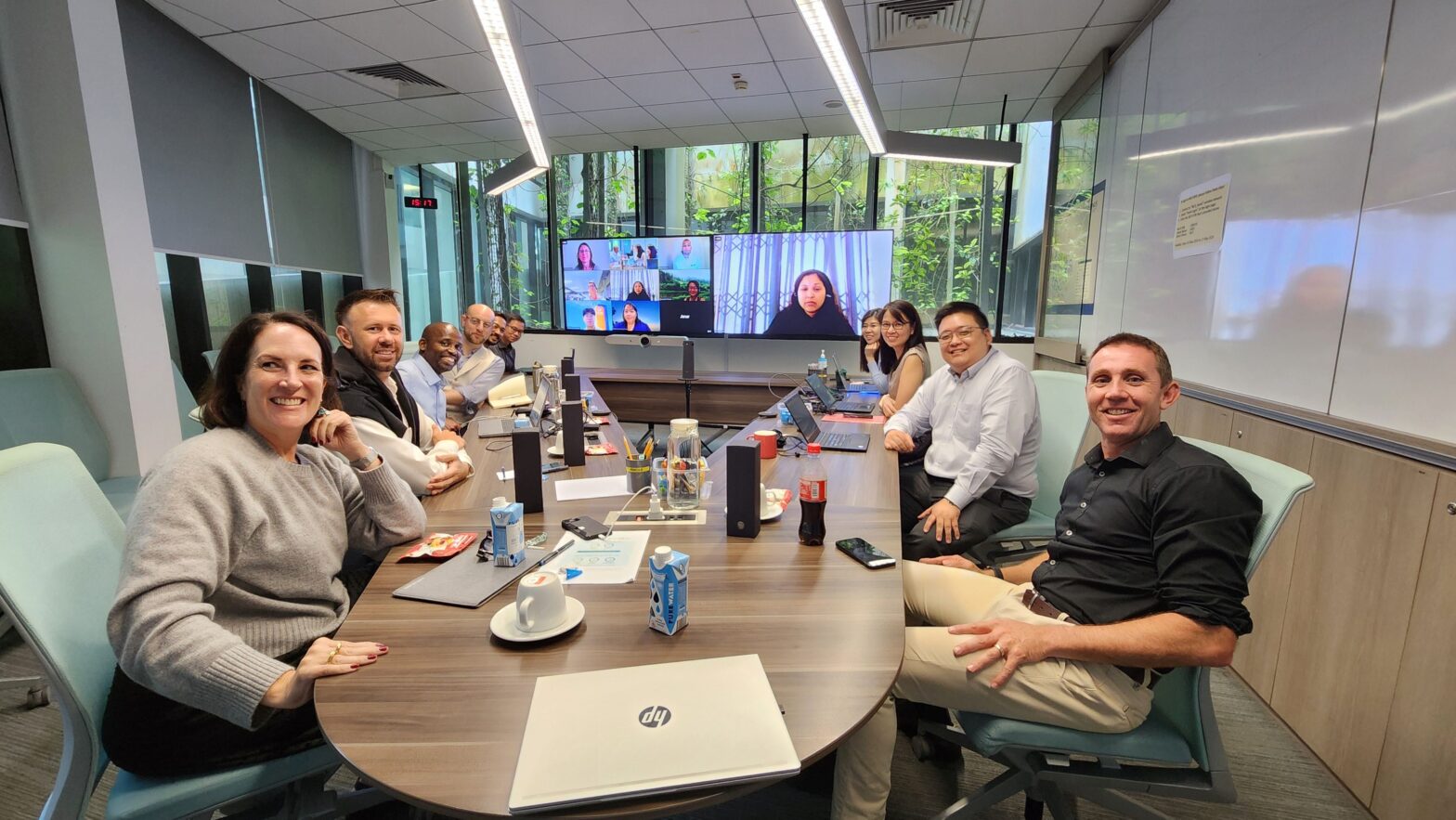
The IARU Real Estate Working Group (REWG) serves as a platform for members to collaborate, share information, and address interests and challenges commonly found within real estate management. It provides a space for research institutions to learn from each other’s experiences and practical examples.
Members contribute as much as possible to exchange information on subjects related to real estate development and management within higher education, including planning, facilities, space usage, governance, efficiency, financial limitations, and other related administrative policies and practices that may arise during the group’s engagement activities. The REWG held its week-long Annual General Meeting in May of 2024, graciously hosted by the National University of Singapore (NUS). The meeting featured dynamic discussions and insightful presentations, addressing key global issues within the real estate sector and showcasing various pilot initiatives. During the session, the group realigned its objectives for 2025 and welcomed new members to the fold. While they bid farewell to colleagues pursuing new opportunities and retirement, they extend their best wishes for their future endeavours and warmly welcome the new representatives from their respective institutions.
Looking ahead, the 2025 REWG Annual General Meeting will be hosted by the University of Copenhagen in Denmark, scheduled for June 2025. The meeting will focus on four main themes, each led by a different institution: (1) technology (ANU), (2) space optimisation (NUS), (3) financial analysis (Cambridge) and (4) real estate/master planning/carbon strategies (ETH Zurich).
Ageing, Longevity and Health Initiative: ECR website

The IARU Ageing, Longevity and Health (ALH) group has had a productive year, marked by significant events and initiatives aimed at fostering research collaboration and supporting early career researchers (ECRs).
The ALH group has been instrumental in developing a robust network to integrate these researchers into its initiatives. This year, ECRs launched a website introducing their members and showcasing their activities, including regular online seminars. The weblink can be accessed at: https://www.mitoyouth.com/home.
The ALH group has made significant strides in enhancing research collaboration and supporting ECRs through strategic events, continuous engagement, and innovative initiatives. These efforts are set to foster a vibrant and collaborative research environment within IARU.
2024 combined IARU Presidents’ and Senior Officers’ Meeting highlights
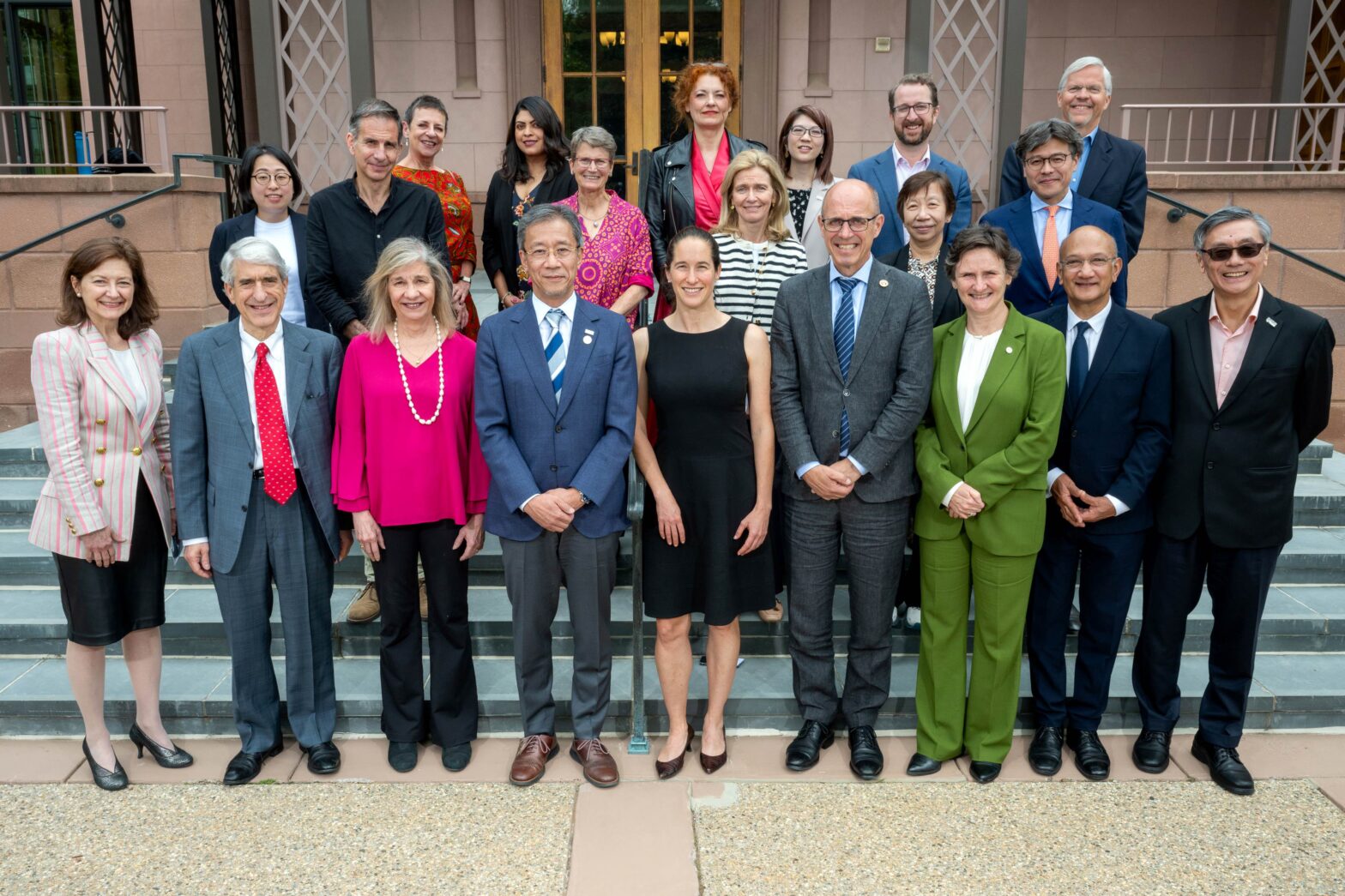
This year the IARU Presidents and Senior Officers convened at Yale University from 10-12 June 2024 for the combined IARU Presidents’ and Senior Officers’ Meeting to discuss key organisational, research, and strategic priorities.
On the first day, the Senior Officers’ Meeting commenced with key updates from the Secretariat, covering the handover period, budget cycle, and the new meeting model. Discussions also addressed IARU business, including updates on groups and initiatives, plans for the online Senior Officers’ Meeting in September 2024, and decisions on hosting future meetings. The day concluded with an informal dinner at Harvest, fostering networking and camaraderie among participants.
The Presidents’ Meeting began on day two with a welcome by IARU Chair, Emeritus Professor Daya Reddy. The morning featured a Presidents’ Roundtable followed by discussions on interdisciplinary research led by Professor Nicholas Turk-Browne. Afternoon sessions focused on IARU business, including financial updates, and an exploration of global health challenges led by Professor Megan Ranney, Dean of Yale School of Public Health. Delegates then enjoyed a tour of the remarkable Peabody Museum before concluding the day with dinner at Kline Tower, hosted by Yale’s Vice-Provost for Research, Mike Crair.
The final day began with a tour of the Yale University Art Gallery led by Stephanie Wiles. This was followed by discussions on the role of higher education in catalysing planetary solutions, presented by Julie Zimmerman, and AI ethics, led by Luciano Floridi. The meeting concluded with a review of outstanding items from the Senior Officers’ Meeting, a closing lunch, and a campus tour.
This three-day gathering reinforced collaboration among IARU members, highlighted emerging research priorities, and laid the groundwork for future initiatives and engagements.
Early-Career Collaboration Awards: Reflections from previous awardees
In recent years, the power of virtual collaboration has become undeniable, yet there are moments when nothing compares to the depth and impact of in-person engagement. Time spent at other institutions – especially abroad – offers unparalleled opportunities to access specialised expertise, advanced facilities and fresh perspectives that can reshape research and innovation.
For early-career researchers, the absence of such opportunities has been particularly challenging, limiting their ability to initiate new projects, gain critical experience and cultivate professional networks. These early connections often serve as the foundation for a researcher’s professional growth, laying the groundwork for enduring collaborations.
Since its launch in 2023, the IARU Early-Career Collaboration Grant Scheme has been a vital support for emerging academics, funding short-term research visits to partner IARU universities. This year IARU granted eight awards to Early Career Researchers for the 2024-2025 cycle. The awardees are:
- Dr Andy Tay Kah Ping (NUS)
- Dr Cecile de Villiers (UCT)
- Friedolin Merhout (UCPH)
- Dr Katherine Turner (ANU)
- Dr Leo Boozaier (UCT)
- Dr Peter Marcus Kristensen (UCPH)
- Dr Fernando Tulio Salva Rocha Franco (ETH)
- Dr Tadiwa Madenga (UC Berkeley)
Reflections from previous awardees:
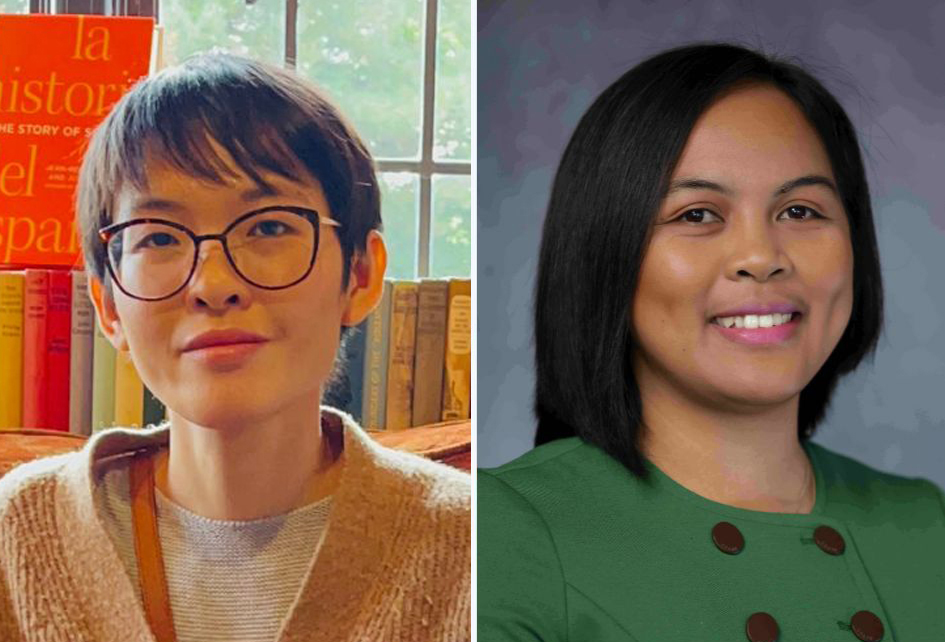
Dr Xin Peng
Assistant Professor, Film and Screen Studies and History of Art
Home university: University of Cambridge
Host university: University of California, Berkeley

As a film and media historian, my work interrogates how racial, and gender differences informed and shaped the conception and development of media technologies in the first half of the twentieth century. My research trip to the University of California, Berkeley enabled me to consult important archival materials housed at the Ethnic Studies Library for my first book project on the Chinese telephone exchange in San Francisco’s Chinatown, a tourist landmark for decades before its closing in 1949 as a result of the transition to automatic dial. Among the most important materials was an oral histories interview conducted by Chinese American community historian Him Mark Lai with telephone operator Choy Chan in 1975, preserved on cassette tapes. The interview was conducted in Cantonese. No previous accounts of the Chinese telephone exchange have referenced it, and even the grandson of Choy Chan did not know the tape’s existence. I am now in the process of collaborating with the Asian American Studies librarian to digitise the tape so that it could be made available to the families of the telephone operator.
While in Berkeley, I finished an essay based on the materials for one of the book chapters, drawing from the new archival documents in the university’s collections. The essay won the Race and Histories of Technology Prize at the Society for History of Technology. It traces the origin of the Chinese telephone exchange in relation to the history of early telephony, where the Chinese language—perceived as gibberish and noise—figured significantly in the debate around the telephone’s social use. For early telephone men, and later, cyberneticians, the unintelligibility of the Chinese exemplifies the unruliness of human communication, understood as analogous to the indiscriminate transmission of signal and noise in the nascent forms of telecommunications. The ambivalent attitudes towards sociality afforded by the telephone in the early twentieth century thus indexed how meanings were defined against stigmatised – gendered and racialised – forms of non-instrumental and promiscuous communication: in short, against noise.
I connected with important scholars in the field of Asian American studies, film studies, and East Asian studies, including Lok Siu, Weihong Bao, and Ling Hon Lam. I also visited the informants of my project – descendants of the telephone operators – whom I only met online before this trip. These interactions were especially fruitful as I was able to share my findings with colleagues at another institution and the community that the research is about. It made me realise more than ever the importance of my work as I am excavating family and community history hitherto largely unknown.
In addition to the research for my current book project, I also made discoveries and collected materials that will be the base for my next book on the renowned Chinese American cinematographer, James Wong Howe. I consulted newspaper clippings in the Him Mark Lai collection at the Ethnic Studies Library as well as oral histories (both transcripts and cassette tapes) preserved in Bancroft library. Prof Weihong Bao pointed me to further sources in Hong Kong and Los Angeles for future research upon hearing about my findings.
Being in the Bay Area for a month also offered opportunities for me to visit the historical site of my study as well as participating in the cultural events at the Berkeley Repertory Theatre and the Berkeley Art Museum and Pacific Film Archive (BAMPFA). I want to thank the IARU for this grant that made this indispensable trip for my research possible.
Dr Rosephine Georgina Rakotonirainy
Lecturer, Department of Statistical Sciences
Home university: University of Cape Town
Host university: University of Copenhagen

I conducted my research visit at the University of Copenhagen, Denmark, from 3 to 28 June 2024. The primary aim of my visit was to cultivate networks and opportunities for lasting collaboration and long-term research projects with the host professor, Giovanni Pantuso, from the Department of Mathematical Sciences. This was fulfilled by various meetings with Prof Pantuso during which we discussed a collaborative project on risk averse modelling in the context of logistic capacity planning under uncertainty. Prof Pantuso is an expert in the field of stochastic and risk modelling. With his technical skills we planned to investigate the development of robust techniques to solve a real-world problem sought in logistics, known as the generalised bin packing under uncertainty. In this case, uncertainty relates to the dynamic of the system, mainly with respect to demand fluctuations and price oscillations. During the visit, we defined the scope of the project, determined the methodology to be applied, and the data to be considered. The work is still in progress, though a skeleton of a draft article has been compiled. Numerical experiments are carried out and it is expected to get results toward the beginning of next year. It is anticipated that the project is completed by the end of next year and that an article is submitted for publication by then. Moreover, it is envisaged to recruit an assistant researcher at Masters or PhD level to get involved in the project, especially to assist in the computational work.
Apart from the research meetings with Prof Pantuso, I had the opportunity to interact with the Operations Research group of his department, including Prof Trine Boomsma and Miss Jiali Deng (doctoral student). We discussed potential research collaborative work, project-based research grant applications, student’s supervisions, and conference participation. I shared my plan on organising a symposium on Operations Research in my department at the University of Cape Town to promote the research field to postgraduate students. In fact, I organised a 2-day symposium on Operations Research on 5-6 September, to popularise the research area to postgraduate students with the objectives to expose them to different aspects of the field from theory to practice. The research group was very supportive and provided valuable comments on the planning. We also had the opportunity to exchange our teaching and research practices which was very enriching. Such type of exposure and interaction is a channel for learning opportunity and skills development and has broaden my professional experience, especially as an emerging academic researcher.
From 25 to 28 June, I attended the 2nd Copenhagen school of stochastic programming held at the University of Copenhagen and organised by Prof Pantuso and his team. The school was mainly targeting PhD students who wish to work on stochastic programming in research and practice. It provided necessary concepts, practical and research-oriented introduction to the field of stochastic programming. The course was given by a number of experts in the field, including Prof Alois Pichler, Prof Asgeir Tomasgard, Prof Francesca Maggioni, and Prof Michal Kaut. Though the course aimed at PhD students, I benefited from attending it, as it provided solid introduction to decision making under uncertainty which is relevant to the project I am collaborating with Prof Pantuso. I also had the opportunity to interact with the lecturers to discuss potential collaborative projects and any research-related work.
To this end, I would like to thank the International Alliance of Research Universities for giving me the opportunity to conduct the research visit. It was fruitful and especially a long-lasting collaboration between the University of Cape Town and University of Copenhagen would be formed and maintained through postgraduate student supervision and further collaboration.
NUS sustainability report
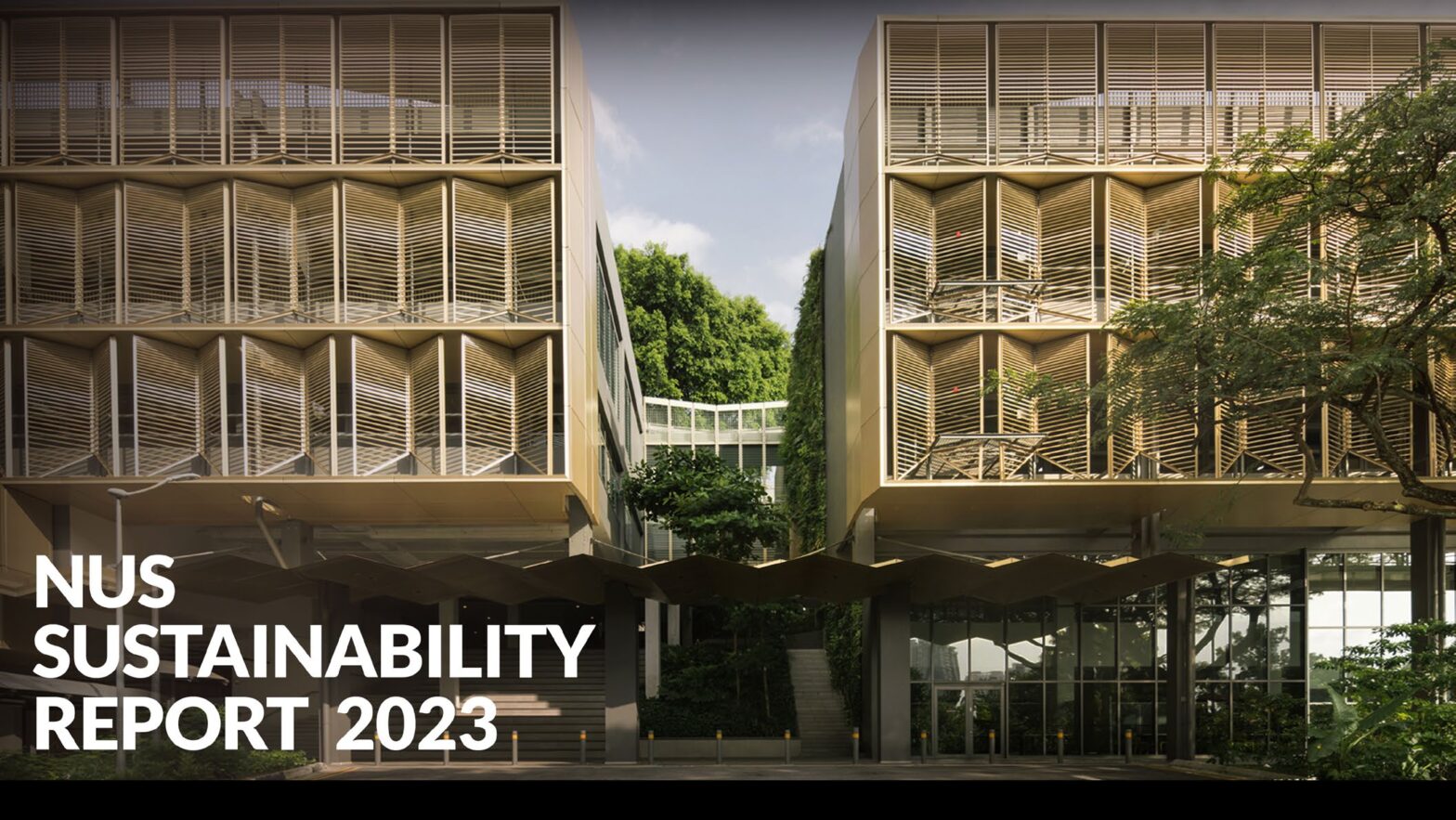
Universities play an important role in building climate resilience and mitigating the effects of environmental degradation. The National University of Singapore (NUS) is committed to this mission and has made meaningful progress in advancing environmental sustainability, in the areas of education, research and innovation, campus operations and leadership. It has published its first comprehensive sustainability report, which tracks the university’s contributions to environmental and climate-related sustainability up to December 2023.
At NUS, sustainability is infused into its undergraduate, postgraduate and continuing education curricula to ensure that its graduates and adult learners are imbued with the interdisciplinary skills needed to succeed in the green economy. The university also nurtures budding entrepreneurs through its NUS Overseas College Programme, with some of its graduates having gone on to establish their own sustainability-related start-ups.
With sustainability issues typically being interdisciplinary and multi-disciplinary in nature, universities are well-placed to make a difference through research. Not only are they at the forefront of scientific and technological advances, but they also have a whole range of expertise across various domains. The key is to get them to work together – something that NUS has been promoting vigorously.
To ensure that research conducted is applicable to the real world, NUS has been working closely with industry partners as well as local and international agencies and research institutes. The Campus as A Living Lab at NUS initiative was launched so that it could collaborate with industry partners to testbed new technologies on the NUS campus.
As responsible stewards of the environment, the university has developed the Campus Sustainability Roadmap 2030, which outlines its goals for a carbon neutral, cool, and zero waste NUS, in alignment with the Singapore Green Plan 2030.
By sharing new knowledge and insights on sustainability, universities are in a position to advance sustainable development by enabling people, businesses, and governments to make better decisions for the environment. NUS regularly engages with stakeholders outside the university on sustainability issues at both the national and international levels. At the individual level, ground-up initiatives by NUS students, and NUS alumni who have become sustainability leaders in their respective fields, bear testament to the university’s inculcation of sustainability values in its students throughout the years.
Download the NUS Sustainability Report 2023 at bit.ly/nussusrpt2023.
Global Internship Program 2024

The Global Internship Program (GIP) provides international work experience and research opportunities to IARU students, which are valuable for broadening academic horizons and building community and cross-cultural understanding.
Applications are now closed for the UTokyo summer internship programme but open for INTERSECT until 15 May 2024.
University of Copenhagen
INTERSECT is an academic community that fosters interdisciplinary collaboration at the intersection of the arts, humanities, social sciences and design. Focusing on the dynamic interplay of cities, landscapes and communities, with a particular emphasis on the differences that characterise, exacerbate or mitigate how we imagine, build and live in them. In doing so it brings questions of inequality and justice and the need to identify and articulate the differences, injustices, inequalities and inequities and to understand their impact.
University of Tokyo
Focusing on the natural sciences, UTokyo offers a summer internship program organised by the Graduate School of Science, which invites undergraduate students who majored in the following five departments of the Graduate School of Science: Physics, Astronomy, Earth and Planetary Science, Chemistry and Biological Sciences from all around the world. Students with a keen interest in pursuing a master’s or PhD degree in the future are encouraged to apply in order to experience the forefront of research at a world-leading laboratory.
Outcomes from the Senior Officers’ Meeting held at ANU in September 2023
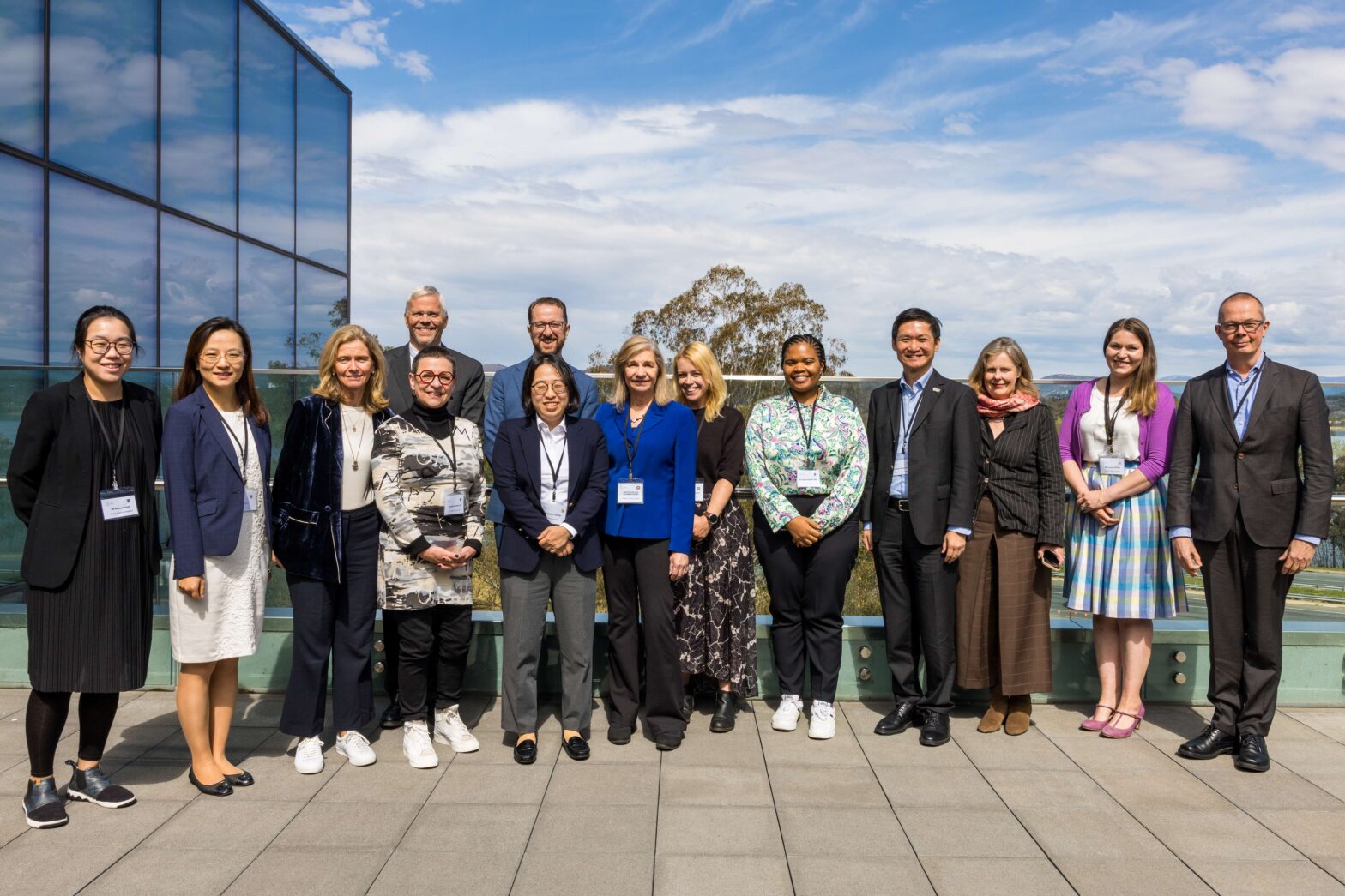
When they met in September, senior officers exchanged updates and news from their institutions, with a few thematic sessions presented by some of the IARU group leads.
ANU group leads from two of the IARU working groups, Professor Jochen Prantl and Dr Beatrice Bijon presented an update from the Global Transformation Group, highlighting the value of the Borderlands field course in a short film of the participating students. Roxanne Missingham updated senior officers on the work of the Librarians’ Contact Group and their new staff exchange scheme.
A session on student mental health and well-being was led by Dr James Brann, the Head of Student Experience at ANU, with senior officers exploring the idea of establishing an IARU working group on the topic, to share best practices, knowledge and experience. The subject of student mental health is a key concern for many universities and was discussed at the Presidents’ Meeting in January 2023. The proposed working group is viewed as a practical way of taking that conversation forward within the network.
The IARU Secretariat also reported that after a few challenging years, participation in the Global Internship Programme (GIP) and IARU courses was increasing again as observed in the 2023 uptake. Information about the 2024 courses is available here, while the global internship information can be accessed here. Many senior officers felt that education programmes were important for IARU and that articulating the unique strengths of IARU would be an essential part of successfully pursuing external funding.
In the spotlight: Getting to know our group members
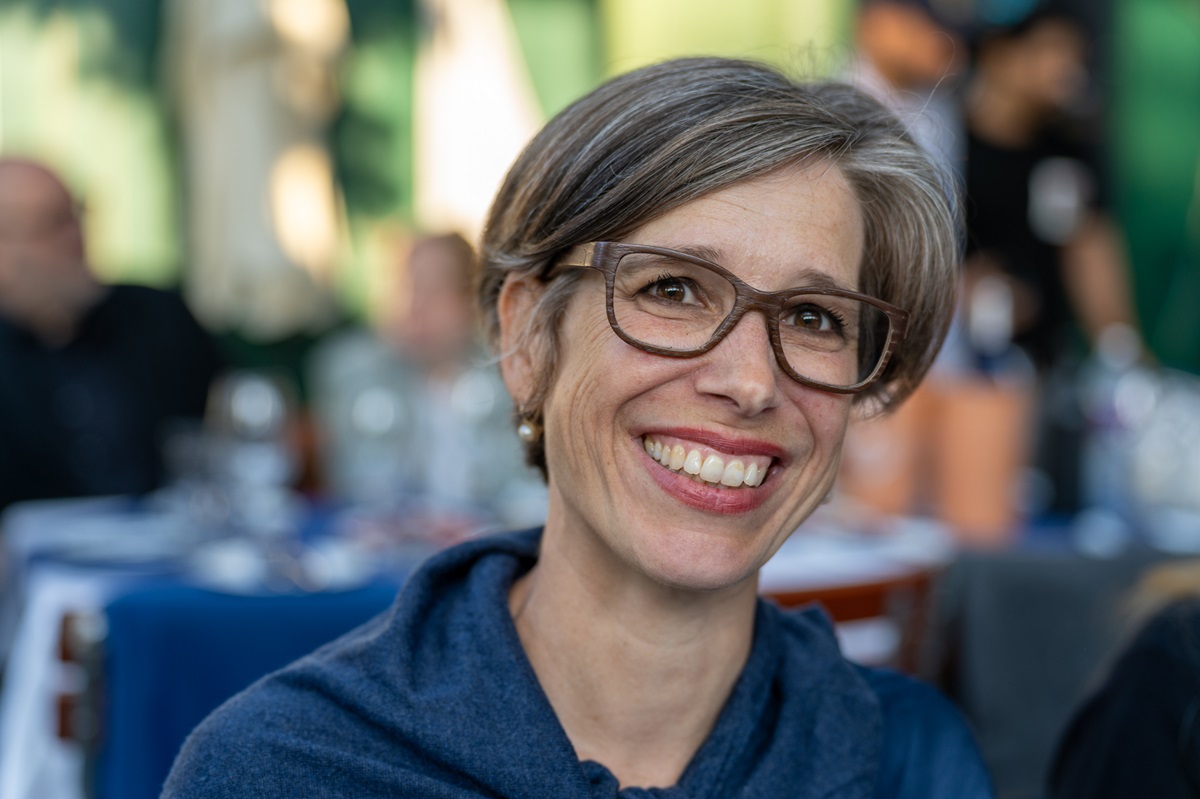
Dr Claudia Zingerli, Head of ETH Sustainability at ETH Zurich, reflects on the success of the IARU Sustainability Initiative, for which she is the group lead.
The IARU Sustainability Initiative celebrates its 15th anniversary in 2024. The support from our presidents has always been and will be important to foster sustainability in our universities as well as in IARU. The expertise I am adding to this initiative is a holistic understanding of sustainability and a strong sense of connectivity and synergy.
While we have been successfully involved in promoting environmental sustainability, the social and economic issues have come into more focus. It will be important to communicate and strengthen the competence to deal with the connections and interrelations between the social, environmental and economic dimensions of all our actions by referring to the “3Ps” of the 2030 Agenda for Sustainable Development – i.e., people, planet, prosperity.
The benefits of an international network’s working group unfold when its members are active, present, articulate and visionary. The global span of IARU creates awareness and respect for the diversity of our institutions in their respective national contexts. At the same time, we share similar experiences and learn from each other through a Community of Practice.
In previous years, the IARU Sustainability Initiative published guidelines and statements. Thanks to our regular meetings, joint projects and preparations for conference sessions such as the International Sustainable Campus Network (ISCN) Conference, which will be held in June 2024, we are re-establishing a working mode where we feed our evidence-based approaches and experiences into the discourse about sustainability in academia and university operations.
I am sure that we will deliver interesting insights into our methodologies to enhance the transparency of supply chains, especially regarding greenhouse gas emissions, biodiversity, social justice, our impact related to mobility and how we translate the Future of work into the present days.
IARU-ALH Annual Conference 2023: Longevity and well-being for a sustainable society and future
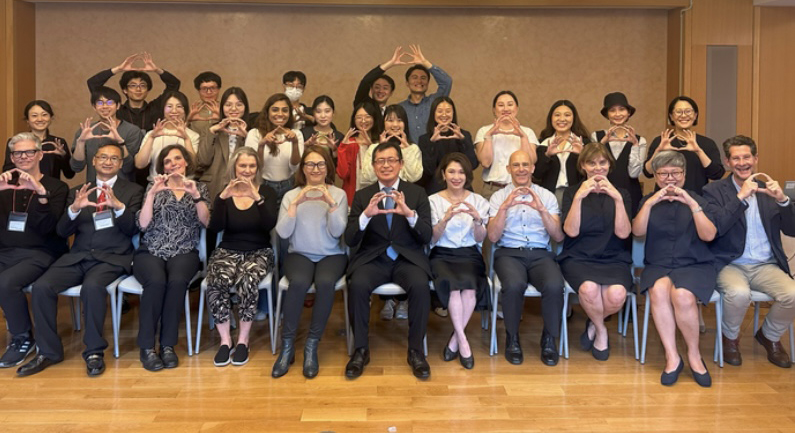
The Ageing, Longevity and Health (ALH) alliance has been actively fostering co-creative research and facilitating the exchange of young researchers on ageing and health issues since 2012. The IARU-ALH Annual Conference was hosted by the Institute of Gerontology and the Institute for Future Initiatives (IFI) at the University of Tokyo’s International Research Centre from 16 to 18 October 2023.
The conference is held in rotation by member universities, aiming to foster the development of students and young researchers expected to play a key role in the field of ALH.
The gathering also seeks to promote networking and collaboration on global issues related to population ageing and increasing longevity as well as to deepen cooperation on the ideal image of local communities with distinctive characteristics in each country.
Senior faculty members, students, and young researchers from various universities, including ANU, National University of Singapore (NUS), Peking University (PKU), ETH Zurich, University of Cambridge (CAM), UCT, UCPH and the University of Oxford (UO) actively participated in face-to-face discussions.
The three-day programme featuring 20 presentations, including contributions from the WINGS-GLAFS* programme of UTokyo, provided a unique opportunity for graduate students and early-career researchers to learn how science can contribute to the issues of the ageing societies, exchange ideas, and join and facilitate the international network of gerontological examination.
On the final day, all participants collectively reflected on and shared their experiences over the three days. The discussions and networks established at this conference are expected to yield valuable outcomes with a lasting impact on the field of ALH.
*The WINGS-GLAFS programme: World-leading Innovative Graduate Study Programme in Gerontology – Global Leadership Initiative for Age-Friendly Society.