

The National University of Singapore opens 2 internship positions per year at the International Relations Office. Application for each period closes respectively on 31 October and 31 May each year.
The intern will work with the team, which manages short-term study abroad programs such as international internships, summer programs and research attachments.
The internships are offered for a minimum of 6 months and can take place: from January to July, and from August to February. Application deadlines vary depending on the commencing date of the internship.
Read the full job description and application procedure
Author Archives: EL
IARU’s first Joint Course started in four partner universities
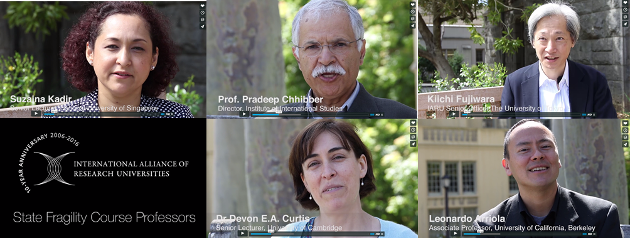
Students from Cambridge, UC Berkeley, National University of Singapore and the University of Tokyo are now attending the first joint course taught by five IARU Scholars on “State Fragility and its Consequences”.
This course focuses on understanding the causes and consequences of state fragility in different parts of the world.
The course is a hybrid of on-line and instructor led discussions. It is also a truly international collaboration. The four universities, will collaborate in sharing a (1) a core syllabus, (2) common course materials (video, powerpoint, assignment and questions), and also prepare for (3) cross-national student groups, two from each universities to work together. The final paper will require students to work with their colleagues from these universities across the globe on group projects, possibly in a form of policy paper/recommendations.
Watch the presentation video.
Society for 2050: What Science and Technology Can Do to Build a Dynamic Aged Society
The registration is open to the Symposium offered in connection to the 3rd IARU Ageing Longevity and Health Graduate Student Conference, taking place at the University of Tokyo on 3rd November 2016.
Keynote speakers from the University of Tokyo and the University of Oxford will introduce the topic, followed by a panel discussion of distinguished speakers from IARU Partner universities.
Participation to the Symposium is free of charge and open to the general public. Registration is required, please email to event@iog.u-tokyo.ac.jp until 31 October, 2016.

IARU celebrates 10 years of campus sustainability

Watch the 10-year anniversary video showing the range of practices put in place at IARU universities to enhance IARU campuses and encourage engagement in sustainability.
Society for 2050: What Science and Technology Can Do to Build a Dynamic Aged Society
The 3rd IARU Graduate Student Conference addressing the themes of aging, longevity and health will take place on 3-5 November 2016 at the Institute of Gerontology of the University of Tokyo.
The conference targets graduate students who are working (or plan to work) in aging, longevity, and health issue-related fields, and who are interested in multidisciplinary research regarding aging and aged societies.
Participation to the conference is open to the public on 3 November and restricted to IARU students and faculty for the remaining days.
3rd IARU Graduate Student Conference
The University of Tokyo hosted the third IARU Graduate Student Conference (GSC) from 3-5 November 2016 at the same time as the Aging, Longevity and Health steering committee meeting Tokyo. The conference targets graduate students working on aging, longevity, and health issue-related fields and are interested in multidisciplinary research regarding aging and aged societies.
Society for 2050: What Science and Technology Can Do to Build a Dynamic Aged Society
The Institute of Gerontology of the University of Tokyo (UTokyo) is hosting the third IARU Graduate Student Conference (GSC) on November 3-5, 2016 on the theme “Society for 2050: What Science and Technology Can Do to Build a Dynamic Aged Society”.
The conference targets graduate students who are working (or plan to work) in aging, longevity, and health issue-related fields, and who are interested in multidisciplinary research regarding aging and aged societies.
The 2016 Tokyo IARU GSC 2016 is composed of various complementary programs.
(1) November 3: Scientific Symposium including keynote lectures by invited speakers and panel discussions by top researchers.
(2) November 4: Workshop Program including oral/poster presentations, group works, and discussions.
(3) November 5: Site visit in the Tokyo area.
Click here to view the conference full program and photos.
The 9th cycle of the IARU Global Summer Program has begun!

Welcome to the over 200 students starting their IARU Global Summer Program (GSP) courses these days!
In the past 9 years, more than 2,400 IARU students have had the opportunity to study around the globe at the IARU member universities.
This year’s program expanded to 24 courses hosted by the 11 IARU institutions.
The IARU GSP has a core of very popular courses which have been offered over several years. All these courses share a multidisciplinary approach to the major challenges facing our world today.
A multicultural classroom is the ideal setting for studying global challenges. It is an eye-opening experience and inspirational for your goals in life.
2015 GSP Alumni
Additionally to the big classics, the IARU GSP renovates its offering every year with innovative and creative courses, always characterized by a multidisciplinary approach. Culture, Behavior and Brain, The Sustainable Preservation of Cultural Heritage, History, Photography and Memory, Good Governance and its Applications to Modern Technology Policies are some of the 2016 new courses.
Learn more about the GSP here or join the official IARU GSP Facebook page (#IARUGSP).
2017 IARU Global Summer Program
Indicatively, applications to the 10th IARU GSP cycle will open in mid-December 2016 and close in March 2017. IARU-Santander scholarships are available for IARU students. If you would like to know more, please contact your GSP Coordinator.
Applications to the IARU Global Summer Program re-open at UCT
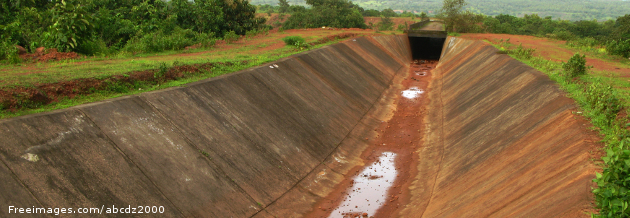
If you have missed on the course on Sustainable Water Management in Africa organised by the University of Cape Town from 29 August to 9 September 2016, you have now time until 17 June to apply!
This course adopts an interdisciplinary approach to examine the current water crises, trends and conditions in developing countries.
It critically engages with the technical, social, cultural, economic, political, economic and environmental challenges of water demand, supply and treatment with an understanding of the role of water in society and in sustaining livelihoods.
Further, it addresses the need to derive maximum benefit from each water resource used while incurring minimum burden and the need to secure “new taps” in a water sensitive urban design context.
The course also includes a field trip to analyse the water demand and supply in a small country town.
Read more about UCT1 Sustainable Water Management.
How to Apply
Applications are open until 17 June. Further information, the application form and application procedure can be found on How to Apply.
IARU students can apply for a IARU-Santander scholarship, for more details ask the GSP Coordinator at your institution.
Aging Longevity and Health Newsletter published

The new issue of the Aging Longevity and Health (ALH) Newsletter features the new summer courses in ageing in 2016 and the latest updates from the iHAN and Walkability projects.
Summer Courses in Aging in 2016
Besides the well-established IARU GSP course on Interdisciplinary Aspects of Healthy Aging, the Centre for Healthy Aging (CEHA) of the University of Copenhagen will offer a new summer course: Alive and KICking – innovative solutions to aging-related challenges. IARU students are eligible to apply to the NNITP Scholarships.
The new course is developed under the umbrella of the EIT Health – European Institute for Innovation and Technology in Health. The aim is to contribute to the education and training of professional health innovators and entrepreneurs at an international level.
ALH Steering Committee
The ALH Steering Committee works to increase engagement across IARU campuses and to promote joint activities and funding opportunities for IARU ALH participants. At their last meeting the Committee discussed future
activities, funding and areas of common interest, as well as possibilities for MSc and PhD student exchanges.
Updates from the iHAN Network and from the Walkability project
iHAN allows knowledge exchange across 13 universities around the world from both IARU partners and non-IARU partners. The iHAN network enables researchers to spend research periods at partner universities.
The Walkability project (mobility and social relations among the elderly) involves Oxford University, CEHA and the Helen Hamlyn Center for Design at the Royal College of Art. The goal of Walkability is to investigate whether the existence of perceived community assets and/or specific characteristics of the built environment, including streetscape design, and/or characteristics of the social environment, influence the propensity of older adults to walk, exercise and/or practice other healthy behaviors.
Read the April 2016 issue of the ALH Newsletter.
Global Universities’ Future Challenges and Opportunities
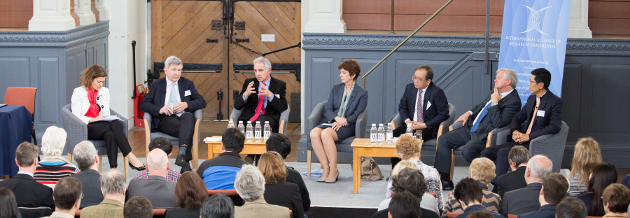
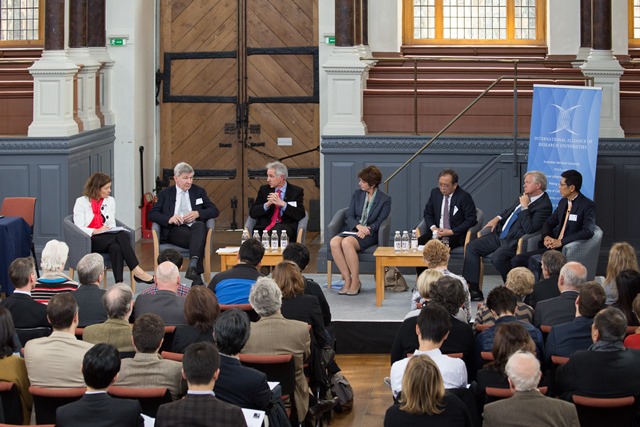
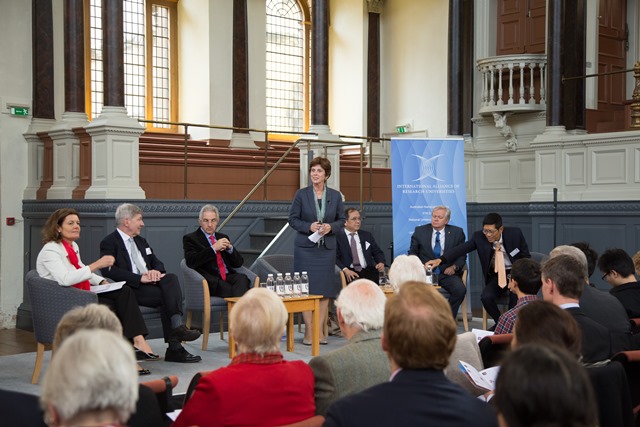
Vice-Chancellors and Presidents spoke about the moral purpose of universities and the many pressures facing higher education during a wide-ranging discussion in Oxford. They emphasised the long-term benefits of universities, warned against political short-termism, and referred to the effects of globalisation and social media during the frank and open debate at the Sheldonian Theatre.
Six Vice-Chancellors and Presidents from Oxford, Beijing, Singapore, Canberra, Cape Town, and Copenhagen addressed a 200-strong audience of alumni and staff from all of their universities. Held to mark the 10th anniversary of the International Alliance of Research Universities (IARU), the event on 24 April also witnessed the admission of the University of Cape Town to IARU – a distinguished group of 11 international research-intensive universities.
Professor Ngaire Woods, Dean of the Blavatnik School of Government at the University of Oxford, moderated the discussion at the IARU Presidents’ Panel. She began the debate by highlighting how universities are confronted by a ‘hostile environment’ because of ongoing financial instability caused by the 2008 crash, and the ‘febrile’ climate of ‘populism’ in many countries.
Professor Tan Chorh Chuan, President of the National University of Singapore, emphasised the need for universities to adapt, especially as it is difficult to predict what areas of study will be important in the future. He said: ‘We have to preserve a rich and diverse brains’ trust. We need to remain fully engaged. We need to produce evidence. Universities must not be seen as self-serving.’ Professor Tan later spoke about the need to ‘zoom in and zoom out’ to make connections between different areas of knowledge, and to be able to foster the learning of new skills.
Such a wide perspective was also advocated by other leading academics on the panel. Professor Brian Schmidt, Vice Chancellor of Australian National University, explained that universities add value by creating knowledge over many years, which leads to a long-term view. Professor Louise Richardson, Vice-Chancellor of the University of Oxford, agreed and urged ‘a robust defence’ of the long-term value of universities. Professor Ralf Hemmingsen, Rector of the University of Copenhagen, also supported the benefits of a broad education, and warned against the tendency of politicians to focus on short-term goals. Professor Lin Jianhua, President of Peking University, mentioned the difficulties faced by universities when facing multiple pressures, including from government, faculty and students.
Globalisation was another theme explored by the panellists. Dr Max Price, Vice Chancellor of the University of Cape Town, described how globalisation is affecting higher education, and called for less of a colonial, Eurocentric, and Anglo-American model for universities. He said: ‘The challenge is to broaden and diversify our knowledge systems.’ Professor Hemmingsen echoed these sentiments by calling for less of an Anglo-Saxon approach. Professor Lin spoke of the need to understand China and the West, and for plans to include more regional studies at his university.
Extolling the advantages associated with international students, Professor Richardson described exponential increases in students studying abroad and said universities need to persuade governments about these benefits. As well as the international dimension, Professor Richardson also reiterated the role of universities at national and local level. She highlighted how communities benefit from having universities in their midst.
The challenges of public debate in an era of instant communications were also raised. Dr Price added: ‘Social media has an enormously chilling effect. It produces a massive response that closes down debate.’ Professor Tan added: ‘We live in an extremely polarising environment. People tend to read what they believe in. Polarisation can be very damaging.’
The audience asked questions about a range of ethical, moral and technological topics, including the recognition of donors and controversial historic figures, academic freedom, and the future of teaching.
The complexity of divestment, as well as taking positions on social and global issues, was raised. Professor Schmidt said: ‘Universities do need to be consistent with their moral values.’ Dr Price agreed. He said: ‘In some ways universities have become the moral compass of society.’ There was less certainty regarding the impact of technology and Massive Open Online Courses (MOOCs) upon future teaching. Dr Price said the verdict is still out on MOOCs because of their high dropout rates. Professor Schmidt said that classes will change in the next 10 years with more interactivity and online learning.
Professor Richardson emphasised the importance of academic freedom and hearing different views on campus as universities are the best places to counter objectionable speech.
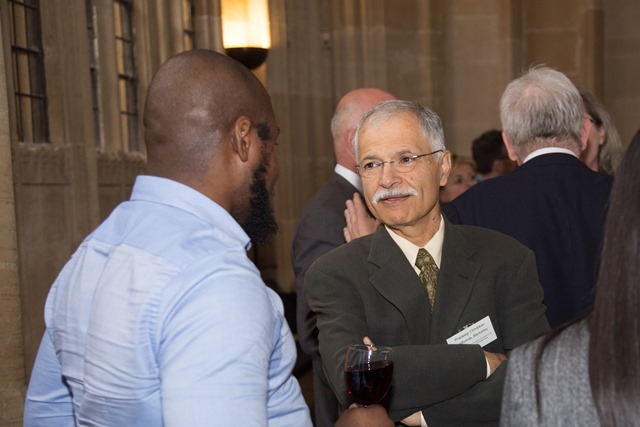
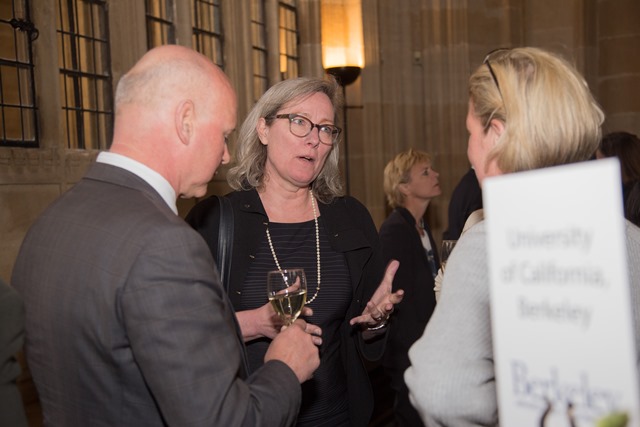
A reception with the IARU Alumni followed the IARU Presidents’ Panel.
|
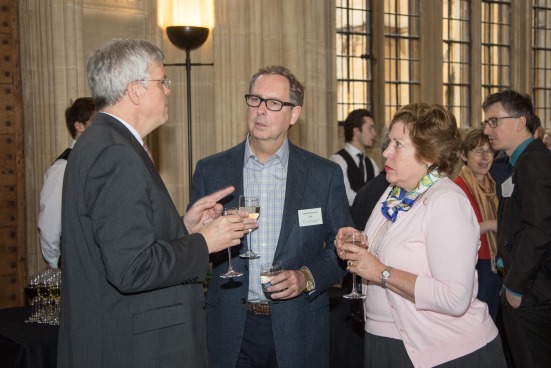
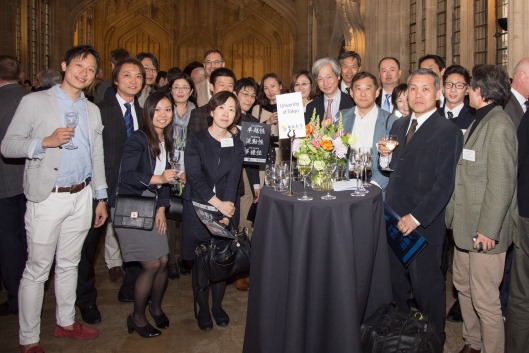
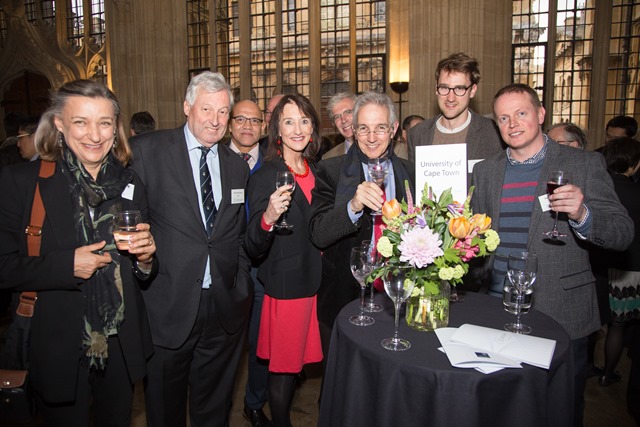

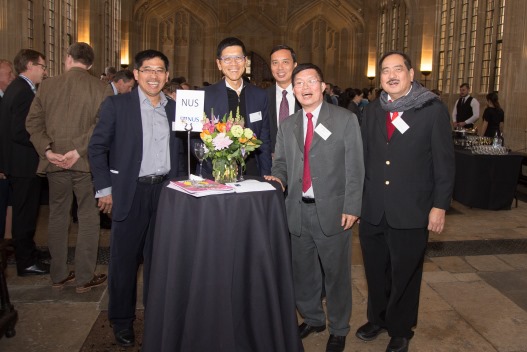
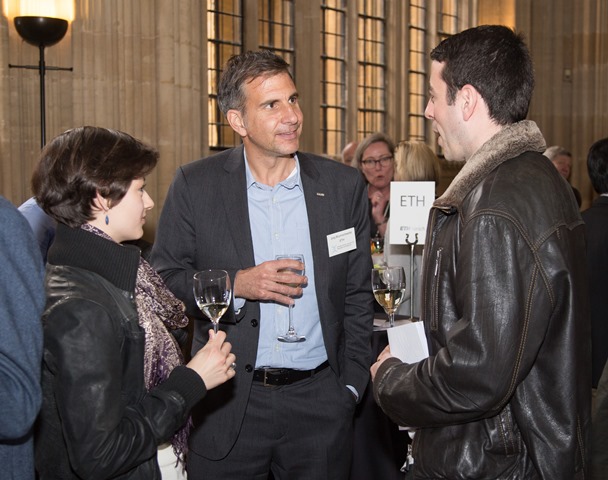
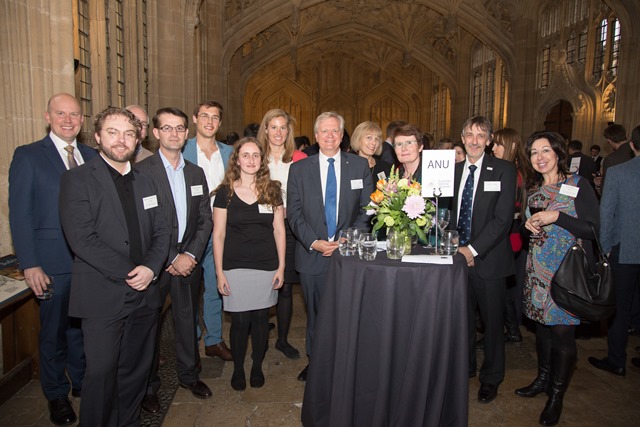
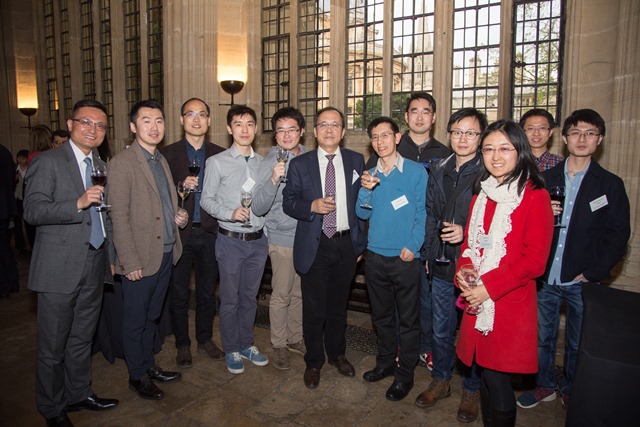
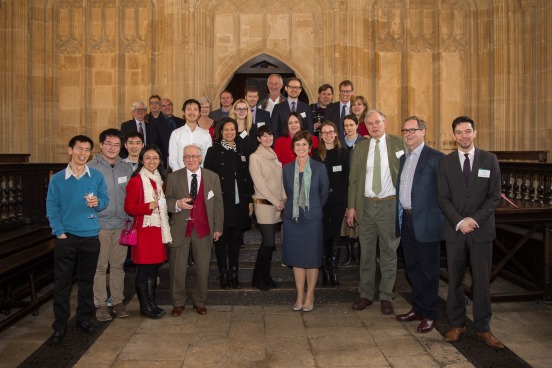
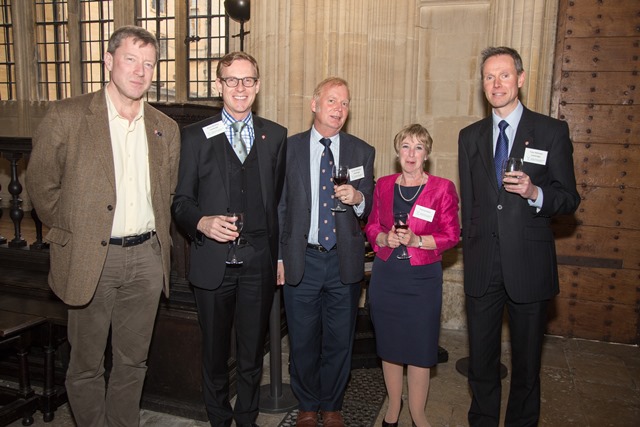
IARU Presidents’ Panel and Alumni Reception
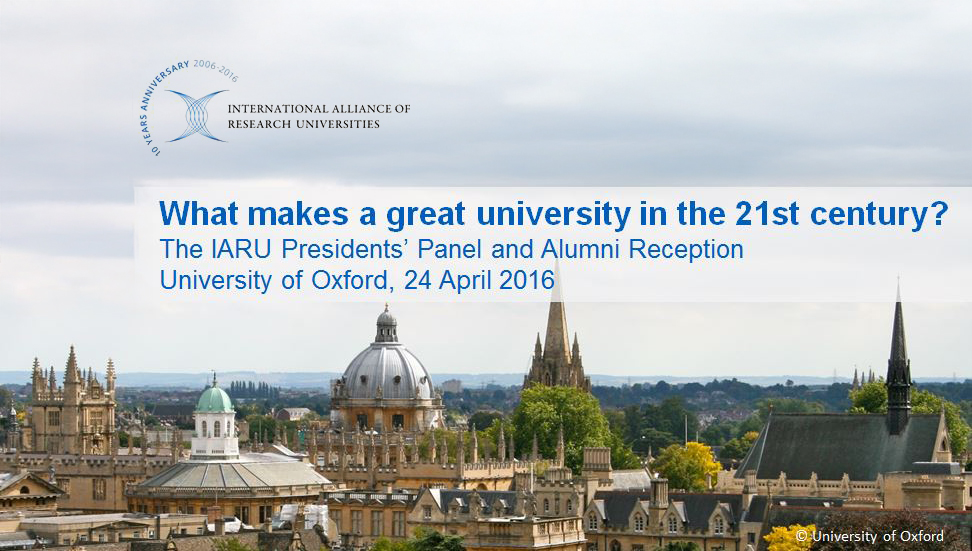
The Presidents of IARU Universities will meet IARU Alumni in Oxford on Sunday 24th April for the 2nd Presidents’ Panel and Alumni Reception. Ngaire Woods, Dean of the Blavatnik School of Government will moderate the panel discussion ‘What makes a great university in the 21st century?’ in the Sheldonian Theatre.
In a time of rapidly evolving expectations of universities, these institutions are under greater pressure to demonstrate ”value for money” and innovation capacity, just to name a few examples. Presidents will talk about the challenges facing IARU universities and the higher education sector as a whole. Follow the Panel on twitter with the hashtag: #IARUPanel.
The 11th IARU Presidents’ Meeting will take place on 25 and 26 April. During the meeting Presidents will discuss trends in higher education, hear updates from the partner universities and will offer guidance on ongoing IARU initiatives.